





Dr. Edmund A. Babler Memorial State Park Closed for Managed Deer Hunt Nov. 6-8, 2026
Dr. Edmund A. Babler Memorial State Park will be closed from 6 p.m. on Nov. 5, 2026, until 7 a.m. on Nov. 9, 2026, due to a managed deer hunt at the park. Only registered hunters and people working the event will be allowed in the park. Camping will be unavailable from Nov. 5, 2026, through Nov. 8, 2026. This includes special-use camping and organized group camping.
For more information, please call the park office at 636-458-3813. For a complete list of closures and advisories, please visit our Park and Site Status Map.
Educational Resources - Dr. Edmund Babler
Free Educational Trunk Rentals
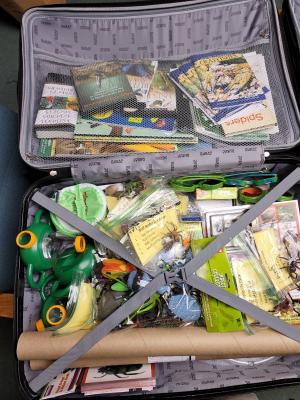
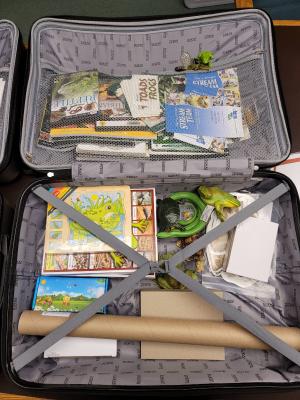
Dr. Edmund A. Babler Memorial State Park offers educational traveling trunks to educators to reserve for use as teaching tools. There are two trunks to choose from. Each one offers hands-on reproduction items, books, topic information and other items that can be used to explore Missouri’s past and its environments.
Trunks may be borrowed for up to two weeks within 50 miles of Wildwood, Missouri. If outside the 50-mile radius, please contact the park for options. It is the responsibility of the borrower to pick up and return the trunks to the park between the hours of 9 a.m. and 4 p.m. Other than transportation, there are no fees to use the trunks.
To check on availability, contact the park at 636-458-3813 or jordan.oppolo@dnr.mo.gov.
| Arthropods | Reptiles and Amphibians |
|---|---|
| 
|
| Take a look around your schoolyard. How many insects and spiders can you find? Use the tools provided to help you find and identify insects and spiders. Learn about what they eat and which ones are beneficial. This trunk helps connect students with nature and fosters respect and understanding for wildlife that is often seen in a negative light. | The slithery snakes and squishy frogs from this trunk have much to share! Play reptile bingo or count the ribs on a snake skeleton. Identify these Missouri animals and learn about their habitats. This trunk helps connect students with their environment and fosters respect and understanding for beneficial wildlife that is often seen in a negative light. |