






Main Menu

Battle of Lexington State Historic Site

Park Information

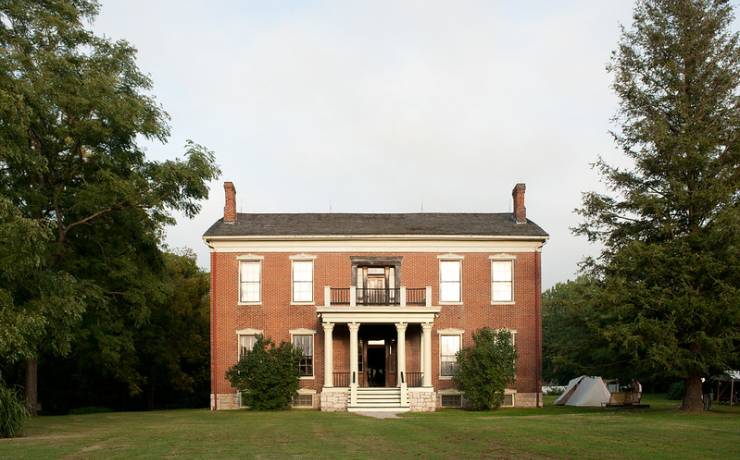
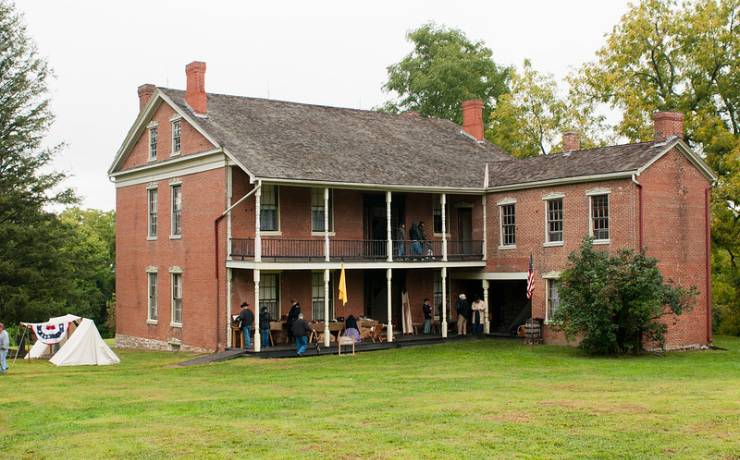
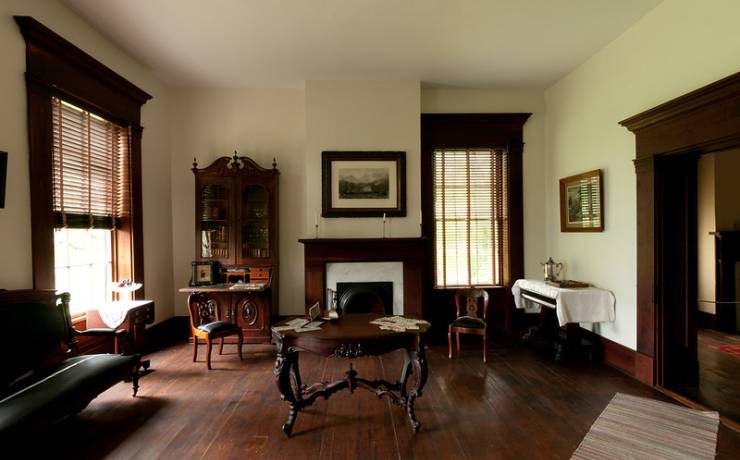
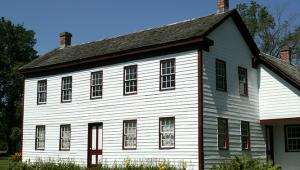
People called Oliver Anderson’s house “the best arranged dwelling house west of St. Louis.” But it became more famous as the center of a bloody three-day Civil War battle in 1861. Walk through the Anderson House at Battle of Lexington Historic Site and marvel at the bullet holes still in the walls and evidence of the cannon shots. The battlefield is peaceful now, dotted with orchards and gardens, but battle scars remain.  A visitor center provides a comprehensive view of the battle that raised Southern spirits that the war was winnable and made Unionists in Missouri think twice about whether they could hold the state. The site is located in the town of Lexington and is one of the closest Civil War sites to Interstate 70.
Park Hours

Historic Site Grounds:

Sunrise to sunset, daily, year-round.

Anderson House hours

Tours:
Summer Hours (On-Season)

  • March
    10 a.m. - 4 p.m., Wednesday-Saturday
    12 p.m. - 5 p.m., Sunday
    Closed Monday and Tuesday
  • April through July
    10 a.m. - 4 p.m., Tuesday-Saturday
    12 p.m. - 5 p.m., Sunday
    Closed Monday
  • August through October
    10 a.m. - 4 p.m., Wednesday-Saturday
    12 p.m. - 5 p.m., Sunday
    Closed Monday and Tuesday

Winter Hours (Off-Season)

Historic Site Office hours

Summer Hours (On-Season)

  • March through October
    9 a.m. - 5 p.m.. Monday-Saturday
    10 a.m. - 6 p.m., Sunday

Winter Hours (Off-Season)

  • November through February
    9 a.m. - 5 p.m., Monday-Saturday
    11:30 a.m. - 5 p.m., Sunday

Visitor Center hours

Summer Hours (On-Season)

  • March through October
    9 a.m. - 5 p.m., Tuesday-Saturday and holiday Mondays
    10 a.m. - 6 p.m., Sunday

Winter Hours (Off-Season)

  • November through February
    9 a.m. - 5 p.m., Wednesday-Saturday and holiday Mondays
    10 a.m. - 5 p.m., Sunday
Fifty years ago, if you had arrived at the natural tunnel in Bennett Spring State Park, you would have seen a lake. Around 1964, a dam created from gravel and silt and reinforced with rebar and concrete blocked the upstream entrance of the natural tunnel. There is no record of how long the resulting lake lasted, but historical accounts state the dam failed after heavy rains, leaving only the portion of the structure seen today at the end of the trail. Walk the Natural Tunnel Trail today and imagine what it would have been like 50 years ago. For more information about this trail, other trails at the park, and all the other things you can do at Bennett Spring State Park, visit mostateparks.com.