





 Missouri state parks and historic sites are administered by the Division of State Parks, which is a part of the Missouri Department of Natural Resources. Its main responsibilities are the administration of the Missouri state park system, and coordination of statewide programs in the areas of outdoor recreation and trails.
The mission of the state park system is to preserve and interpret the state's most outstanding natural landscapes and cultural landmarks, and to provide outstanding recreational opportunities compatible with those resources.
The Missouri State Park System
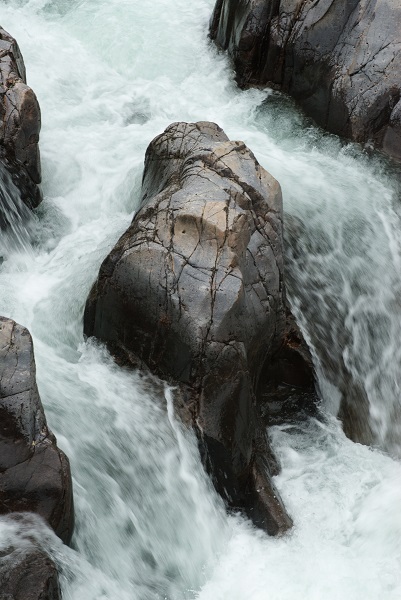
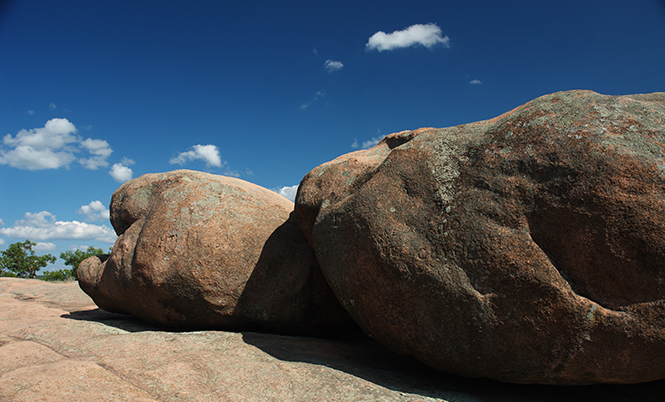
Missouri's state park system, which on multiple occasions has been ranked as one of the top four state park systems in the nation, contains 93 state parks and historic sites plus the trails at Roger Pryor Pioneer Backcountry. Within more than 160,000 acres available to the public, the state park system has something to fit everyone's needs. The system includes homes of famous Missourians, Civil War battlefields; and reminders of yesterday such as gristmills and covered bridges. The state's most outstanding landscapes are preserved here for everyone's enjoyment - deep forests, glades, prairies and blue streams and lakes.
To help visitors enjoy their stay, the system offers more than 2,000 structures, 3,500 campsites, 194 cabins, almost 2,000 picnic sites, and more than 1,000 miles of trail. These trails include opportunities for hikers, backpackers, bicycle riders, off-road vehicle users and horseback riders. The system boasts the longest developed rails-to-trail project in the nation: Katy Trail State Park. In 2016, more than 20 million people visited to hike, camp, fish, discover the past and explore nature.
 Funding for State Park System
The primary source of funding for the state park system is half of the dedicated constitutional tax of one-tenth-of-one-percent Parks, Soils and Water Sales Tax, which provides about three-fourths of the division's budget for operation and development of state parks. All additional funding comes from revenues generated in the state park system and some federal funds.
The park, soils and water tax was created through a constitutional amendment and earmarked specifically for the state park system and efforts to stop soil erosion. The tax was first approved by voters in 1984, and has since been reapproved by voters four times, in 1988, 1996, 2006 and 2016. At least two-thirds of voters approved the tax the last four times, showing how much Missouri voters support their state park system.
State Parks Differ from Local or National Parks
The state park system has a unique role in an integrated effort to provide parks, open spaces and cultural opportunities for local citizens. Generally, local and community parks focus on providing recreation and open spaces close to home. National parks were created to preserve natural and historic wonders of national and international significance. A state park system fits somewhere in between: It preserves landscapes and cultural features of at least statewide or regional significance and provides appropriate or compatible recreation.
Other Services Provided
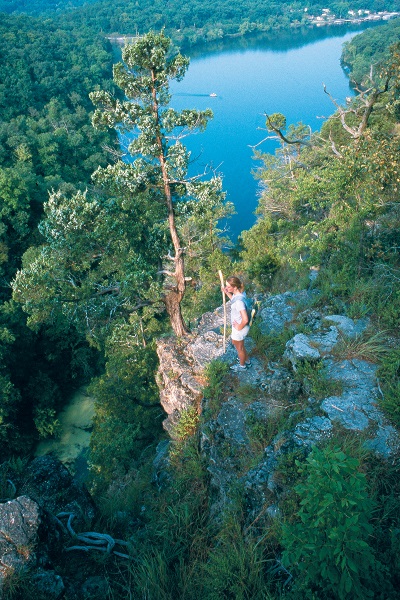 The Division of State Parks also administers programs in the areas of outdoor recreation and trail grants.
Outdoor Recreation: Federal Land and Water Conservation Fund grants are available to cities, counties and school districts to be used for outdoor recreation facilities, and land acquisition designed for the general public.
Trails: Grants also are available to trail organizations and local governments for trail construction and maintenance through the National Recreation Trail Fund.
To find out about grant opportunities, you can request the Department of Natural Resources' financial assistance brochure or ask to speak to the state park grant section, both by calling 800-334-6946, or visit the Outdoor Recreation Grants page.
Director's Office
Staff within the Director's Office coordinate information to the public and provide guidance on issues of policy, affirmative action, risk management, real estate and lease transactions. 573-751-2479.
Business Services Program
The Business Services Program is responsible for procurement, budget, attendance, concession management and revenue collection, and provides financial and administrative services for the division. 573-526-8477.
Cultural Resource Management Program
The Cultural Resource Management Program researches, protects and interprets the cultural resources of the state park system and develops content for exhibits and other educational material to help the public to understand and appreciate the history of Missouri. 573-751-8458.
 Grants, Recreation and Interpretation Program
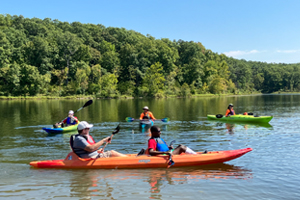
The Grants, Recreation and Interpretation Program provides resources, training and coordination for facility staff concerning interpretation, recreational programing and working with underserved stakeholders. The program also coordinates special events and trail management. The program also is responsible for grant management. 573-751-5375.
Natural Resource Management Program
The Natural Resource Management Program researches, protects and interprets the natural resources of the state park system and develops content for exhibits and other educational material to help the public understand and appreciate the natural resources of Missouri. 573-522-5992.
State Park Ranger Program
The State Park Ranger Program provides law enforcement and safety services for facilities and visitors. 573-751-9263.
 Planning and Development Program
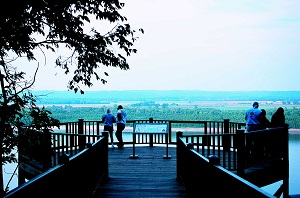
The Planning and Development Program prepares and coordinates all facility planning, design and development, as well as capital improvements and major repair projects. 573-751-5374.
Visitor Services Program
The Visitor Services Program is responsible for marketing activities and support for field operations through operational planning, customer service, policies and signage. 573-751-5364.
Regional Offices
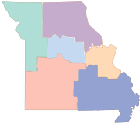
Three regional offices assist in the operation and coordination of the state parks and historic sites.
- Northern Region
P.O. Box 314, Brookfield, MO 64628
660-258-7496 - Ozarks Region
P.O. Box 951, Lebanon, MO 65536
417-532-7161 - Eastern Region
2901 Highway 61, Festus, MO 63028
636-931-5200
The Missouri Department of Natural Resources does not discriminate against anyone on the basis of race, color, national origin, age, sex or disability. If anyone believes he has been subjected to discrimination, he may file a complaint with either the Department of Natural Resources or the office of Equal Opportunity, U.S. Department of the Interior, Washington, D.C. 20240.